Partial and Complete Dentures
Custom-fit partial and complete dentures that restore your smile, your bite and your confidence.
Custom-Fit Partial and Complete Dentures
We offer custom-fit partial and complete dentures that seamlessly replace missing teeth and restore natural oral function. No matter your needs, our dedicated Martensville dental team is here to provide comfortable, tailored care.
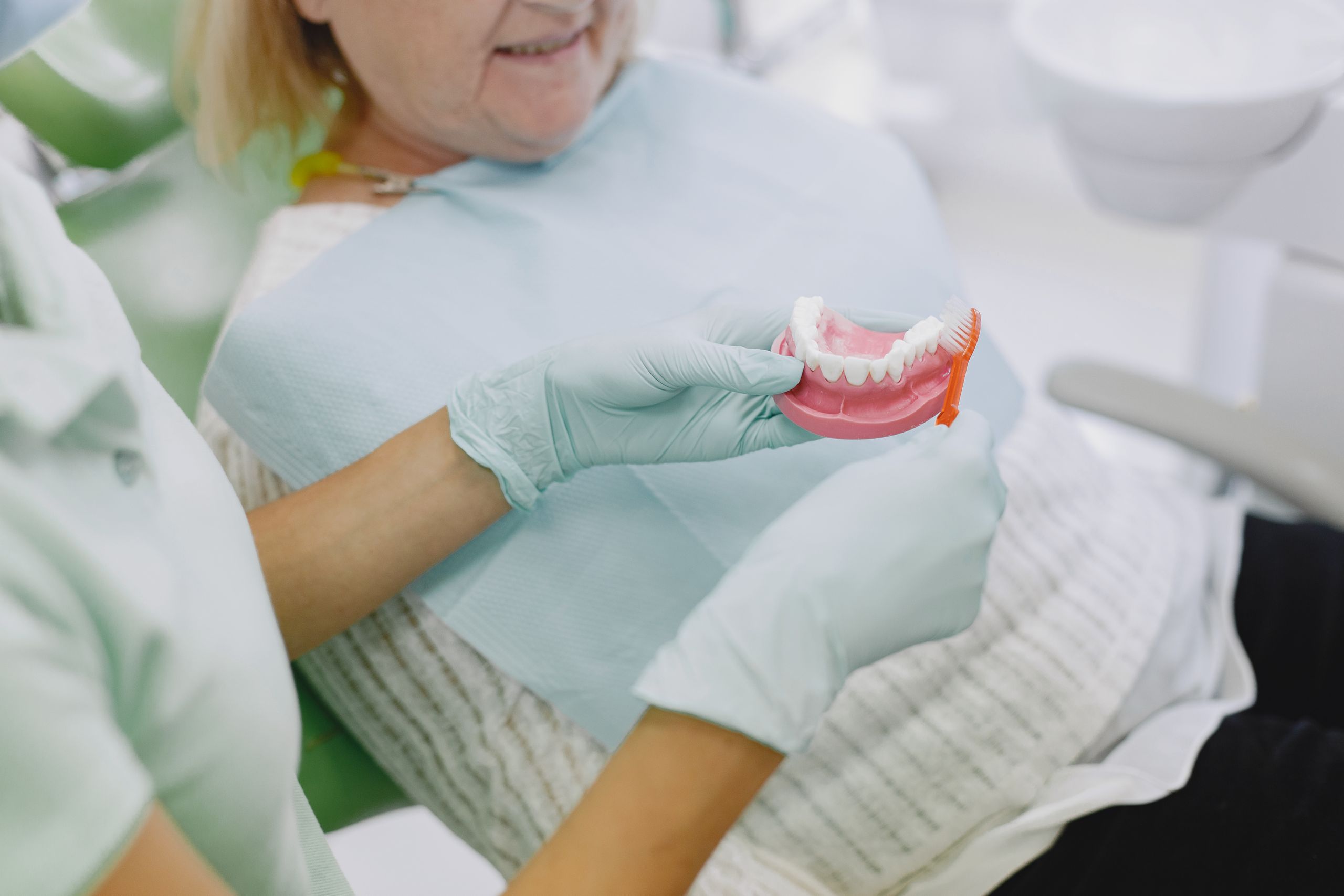
The core difference is that complete dentures replace an entire arch of missing teeth, while partial dentures replace only a few missing teeth and rely on your remaining natural teeth for support.
Looking for a trusted and experienced dentist in the greater Saskatoon area?
See the wide range of services we offer on our main page.
What is the difference between Complete Dentures and Partial Dentures?
Complete Dentures
- Support: Rests directly on your gums and jawbone, relying on natural suction or dental adhesives to stay in place.
- Coverage: Replaces all teeth on the upper jaw, lower jaw, or both.
- Tooth Extractions: Requires any remaining unhealthy teeth in that arch to be removed before placement.
- Appearance: Made of a full flesh-coloured acrylic base with a complete set of prosthetic teeth.
Partial Dentures
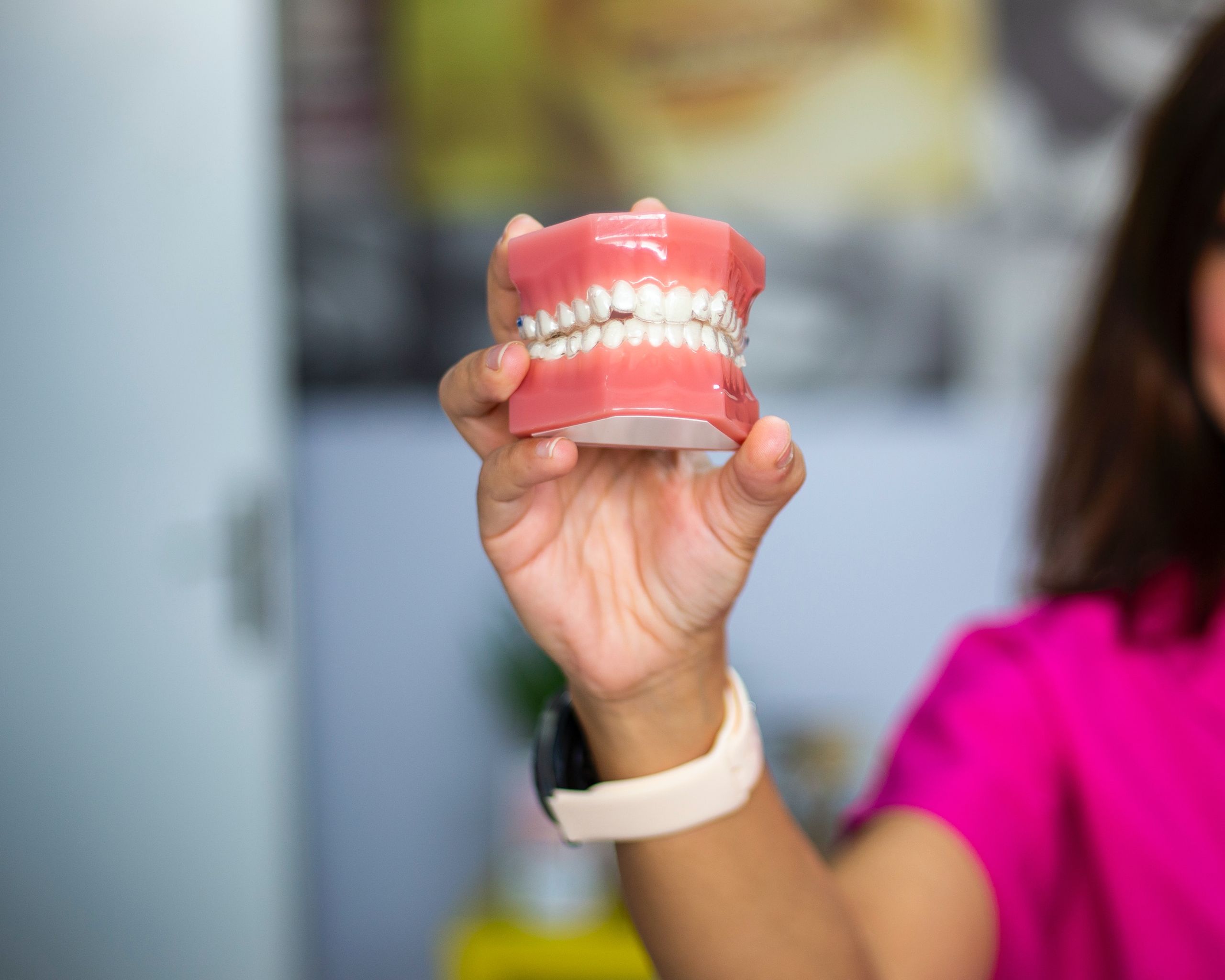
- Coverage: Replaces one or multiple missing teeth when you still have healthy natural teeth remaining.
- Support: Anchors to your existing natural teeth using metal clasps or discreet, tooth-coloured precision attachments.
- Tooth Extractions: Rarely requires extractions, as its purpose is to fill gaps and preserve your remaining teeth.
- Appearance: Built on a metal framework or a flexible nylon base that connects the prosthetic teeth to your natural smile.
Complete vs Partial Dentures – What’s the Difference?
Feature | Complete Dentures | Partial Dentures |
Purpose | Replace all missing teeth | Replace some missing teeth |
Best For | Patients with no remaining teeth | Patients with some natural teeth |
Fit | Sits directly on gums | Anchored to existing teeth |
Removability | Removable | Removable |
Stability | May require adhesive | More stable due to support |
Appearance | Full smile restoration | Blends with natural teeth |
Cost | Typically higher | Typically lower |
How Do We Make Custom Fitted Dentures For You?
Getting your new dentures is a collaborative process designed around your ultimate comfort and fit.
Here is what your journey looks like:
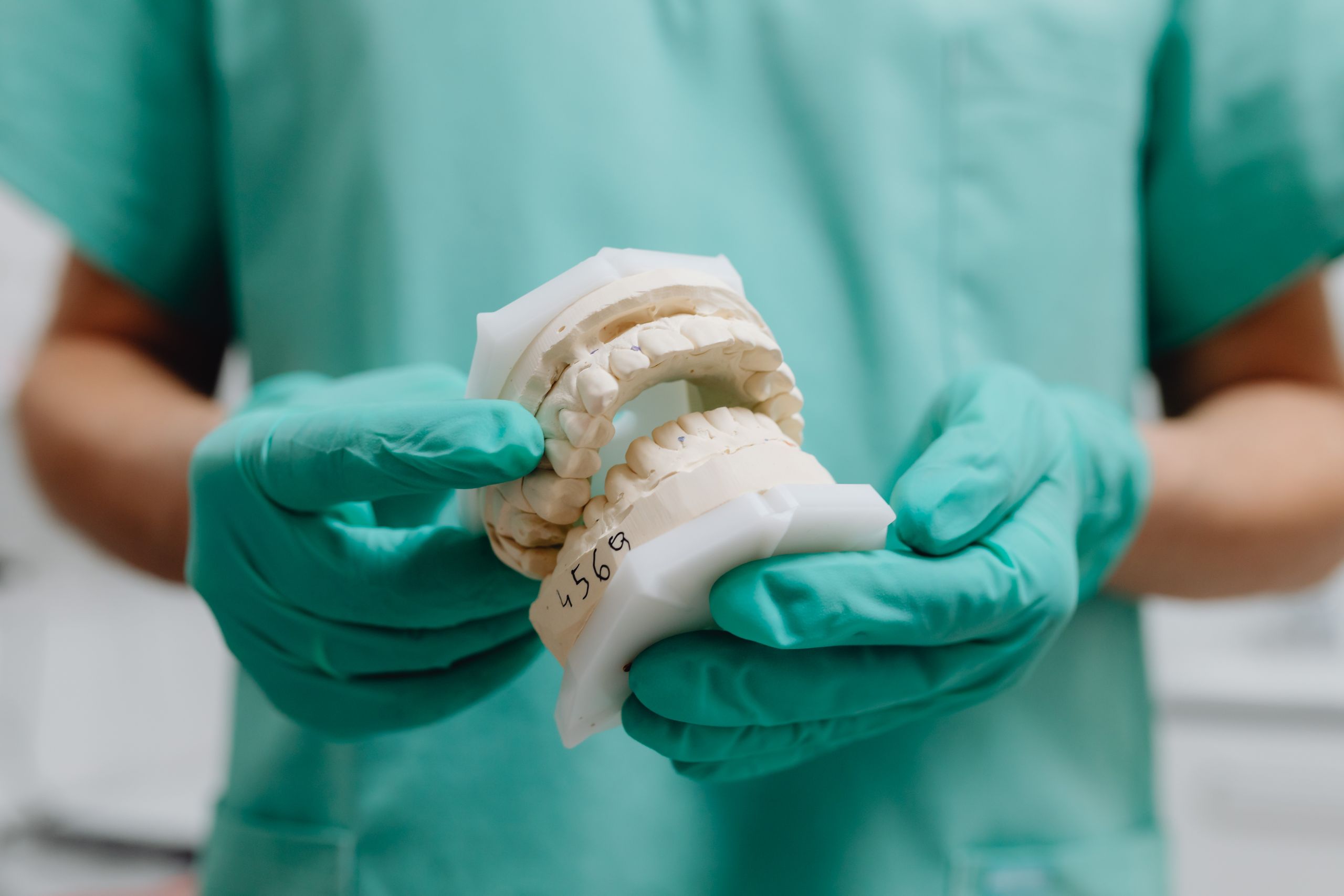
- Digital or Manual Impressions: We take precise molds of your mouth to map your unique oral structure.
- Personalised Custom Design: Our team crafts a denture tailored entirely to your aesthetic preferences and physical needs.
- Precision Fitting: We trial the denture in your mouth, making meticulous adjustments to eliminate sore spots.
- Final Function Refinements: We fine-tune your bite to ensure seamless eating, speaking, and smiling.
If you require any tooth extractions beforehand, don’t worry. Our experienced dentist will manage the entire transition safely and comfortably from start to finish.
How Long Will Your Dentures Last?
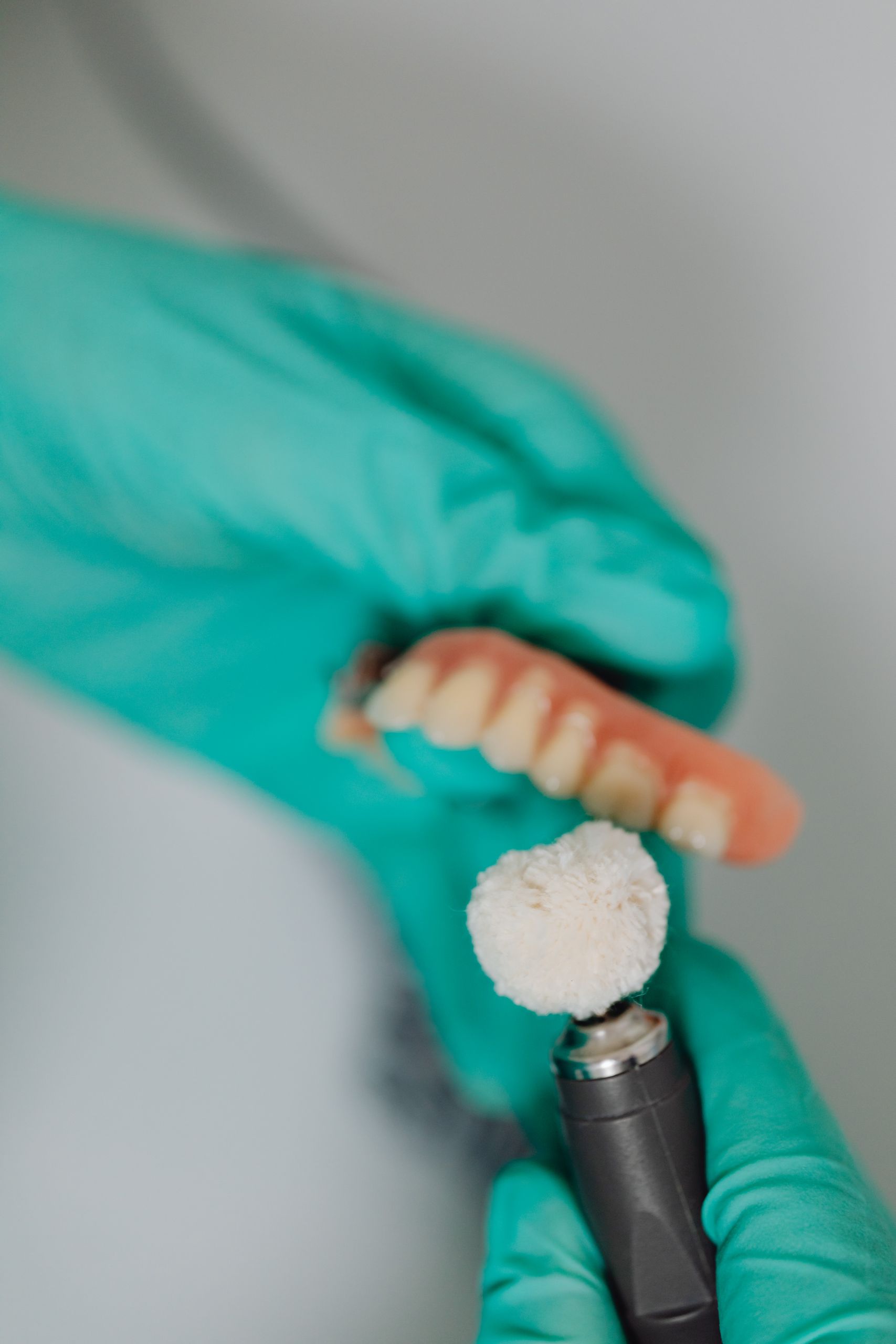
Dentures typically last 5 to 10 years before the artificial teeth and base materials require replacement. However, the exact lifespan varies based on the type of denture, oral care habits, and how quickly your jawbone and gums naturally shrink or change shape.
- Full/Complete Dentures: Last 5 to 10 years on average.
- Partial Dentures: Typically last 5 to 15 years depending on the metal or acrylic framework.
- Implant-Supported Dentures: Can last 10 to 15 years or more, as the dental anchors help preserve the jawbone.
How Will You Know If You Need An Adjustment Or A Replacement?
Even if the denture itself is not broken, your mouth naturally recedes and changes shape over time. You should consult your dentist or denturist if you notice:
- Chips, cracks, or heavily worn teeth on the appliance.
- Dentures clicking, slipping, or feeling loose.
- Difficulty chewing food.
- Sore spots, gum irritation, or pain.
How Can You Maximize The Lifespan Of Your Dentures?
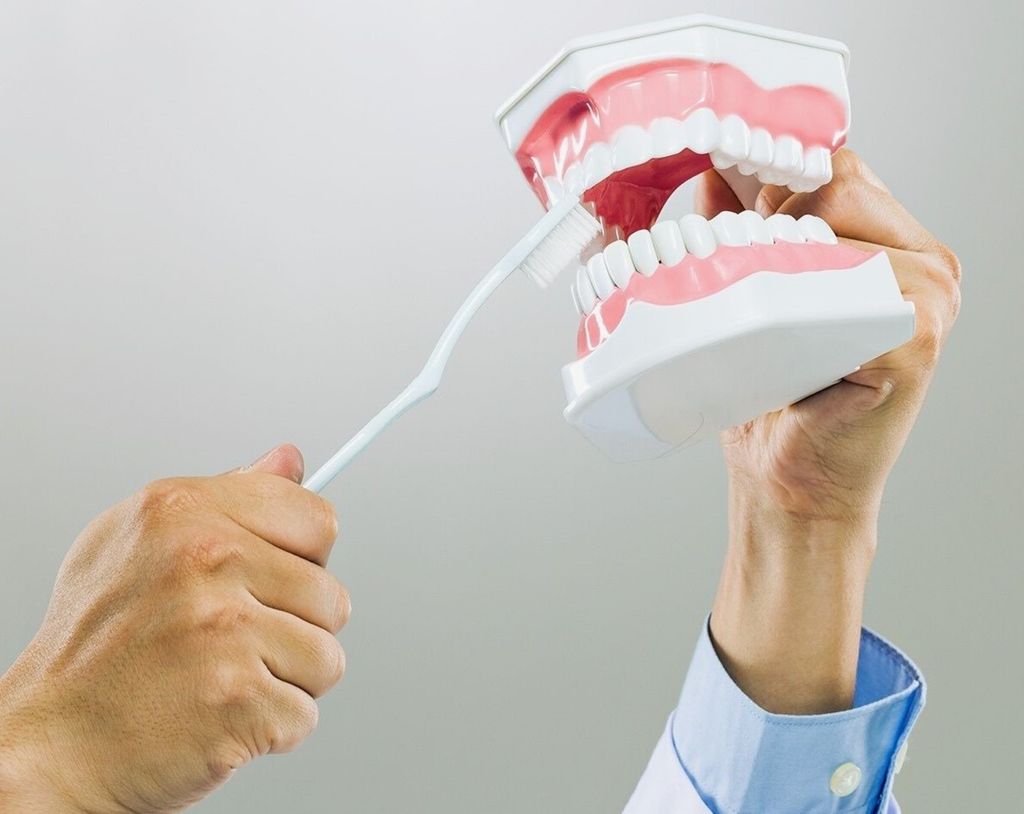
- Daily Cleaning: Brush them daily using a soft-bristled brush and a non-abrasive cleanser (like mild dish soap) to avoid scratching the material.
- Safe Soaking: Soak your dentures in a recommended cleaning solution or water overnight to keep them from warping.
- Regular Check-ups: Maintain annual dental exams. Professionals can professionally clean the dentures, reline them to fit your changing mouth, and screen for oral health issues.
What Are The Advantages Of Dentures?
Restored Nutrition
You can chew a wider variety of healthy, solid foods again.
Clearer Speech
Pronouncing words correctly becomes much easier with artificial teeth in place.
Facial Support
They fill out your cheeks, preventing the facial sagging associated with missing teeth.
Enhanced Confidence
A full, natural-looking smile boosts your self-esteem in social situations.
Affordability
They offer a lower upfront cost compared to full-mouth dental implants.
Custom Comfort
Laboratories tailor each appliance to the unique shape of your gums.
Frequently Asked Questions
Here are some quick answers related to partial and complete dentures.
Book Your Appointment Today!
Whether you need a routine cleaning, emergency dental treatment, Invisalign consultation, or family dental care, our team is here to help.
We look forward to welcoming you to Lake Vista Dental.