Dental Exams and Dental Cleanings
Gentle, thorough hygiene appointments that protect your gums and brighten your smile.
Gentle, thorough cleanings for a healthier smile
Regular cleanings and comprehensive exams prevent problems early and keep your teeth and gums healthy long-term.
Why do regular cleanings matter?
Regular professional dental cleanings matter because they remove calcified tartar buildup that your toothbrush and floss simply cannot scratch off. Even with flawless home brushing, microscopic bacteria harden into tartar within 24 to 48 hours, creating a permanent shield that erodes enamel and triggers gum disease if not removed by a hygienist every six months.
Looking for a trusted and experienced dentist in the greater Saskatoon area?
See the wide range of services we offer on our main page.
Preventive Health Benefits
- Stops tooth decay: A hygienist scrapes away plaque and tartar from hard-to-reach crevices, stopping micro-cavities before they breach your enamel and require fillings.
- Reverses gingivitis: Regular scaling clears away chronic bacterial irritation at the gumline, stopping bleeding gums and reversing early-stage gum disease.
- Prevents tooth loss: Untreated gum disease eventually destroys the underlying jawbone tissue supporting your teeth []. Cleanings halt this bone erosion, protecting the structural foundation of your smile.
- Removes surface stains: Professional polishing lifts away dark, stubborn stains caused by coffee, tea, and red wine, instantly brightening your smile.
- Eliminates chronic bad breath: Persistent halitosis is often caused by decaying food particles and volatile sulfur compounds trapped beneath hardened tartar, which cleanings thoroughly flush out.
How are regular cleanings and check ups related to your overall health?
Your mouth is the primary gateway to your entire body. Leaving chronic bacterial infections and inflammation unchecked in your gums allows oral bacteria to enter your bloodstream, which medical studies link to several serious systemic health conditions:
- Heart Disease & Stroke: Oral bacteria can travel through blood vessels, contributing to arterial plaque buildup, inflammation, and an increased risk of cardiovascular events.
- Diabetes Complications: Chronic gum disease makes it significantly harder for your body to regulate blood sugar levels, worsening diabetes symptoms.
- Respiratory Infections: Inhaling bacteria from severe oral infections can draw harmful microbes directly into your lungs, potentially triggering pneumonia or bronchitis.
What Happens During Your Visit
A standard hygiene appointment involves far more than just a quick brush. Your dental team performs several vital health checks:
Examine your teeth for signs of decay or damage
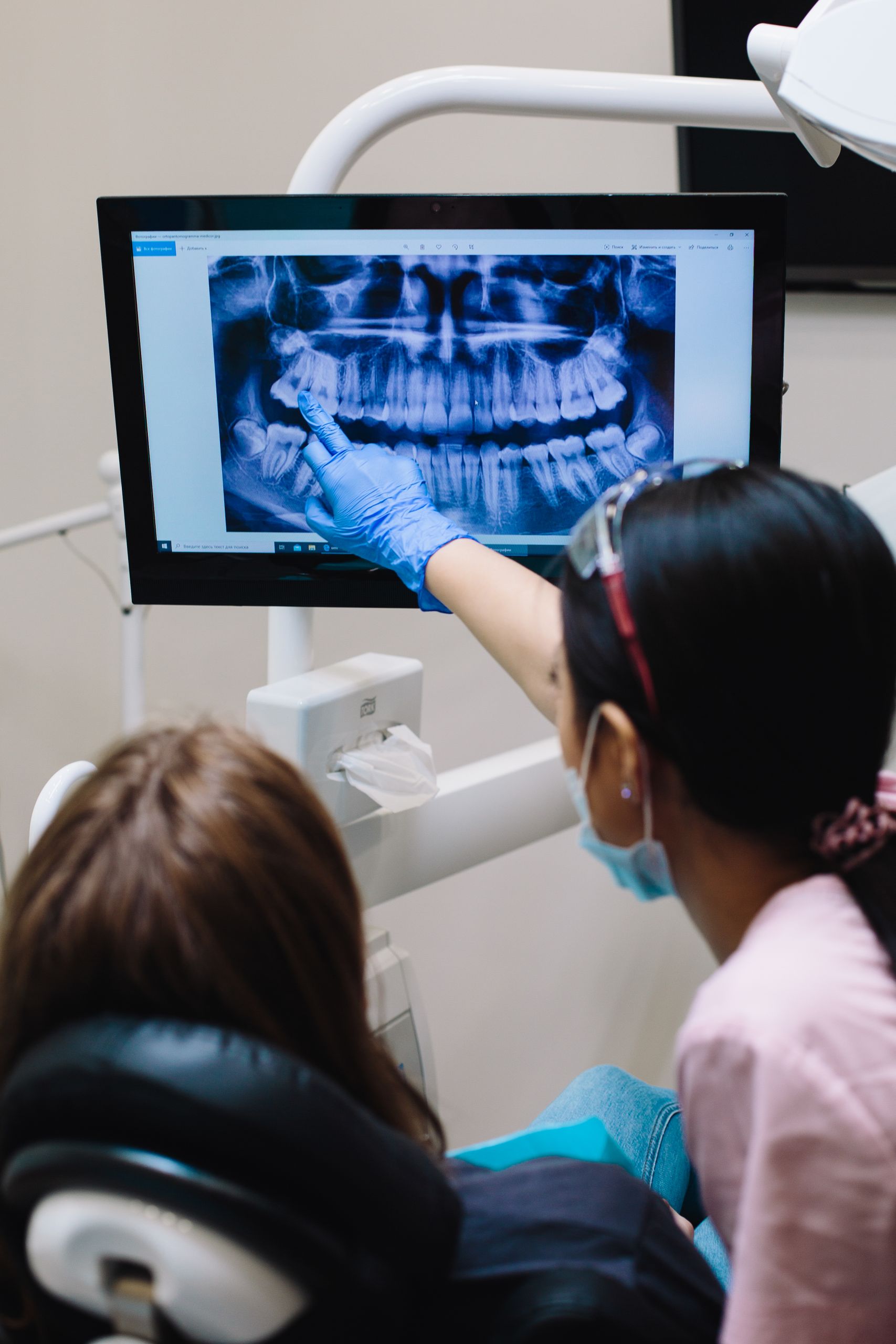
- Diagnostic X-rays: Digital images allow your dentist to spot hidden issues developing beneath the surface, such as bone loss, impacted teeth, or decay hidden between tight teeth.
- Oral cancer screening: Your dentist meticulously examines your tongue, throat, tissues, and jawline for any early, unusual signs of oral cancer, which is highly treatable when caught early.
- Restoration inspection: The team checks the structural integrity of your existing fillings, crowns, or bridges to ensure they remain tightly sealed against new bacterial leaks.
Check your gums for signs of gum disease
Oral Scan to assess bite and alignment and to track changes over time
Step-by-Step Cleaning Process
A professional dental cleaning is a routine, painless procedure that typically takes 60 minutes. Understanding what happens during your appointment can help eliminate any anxiety and keep you comfortable in the chair.
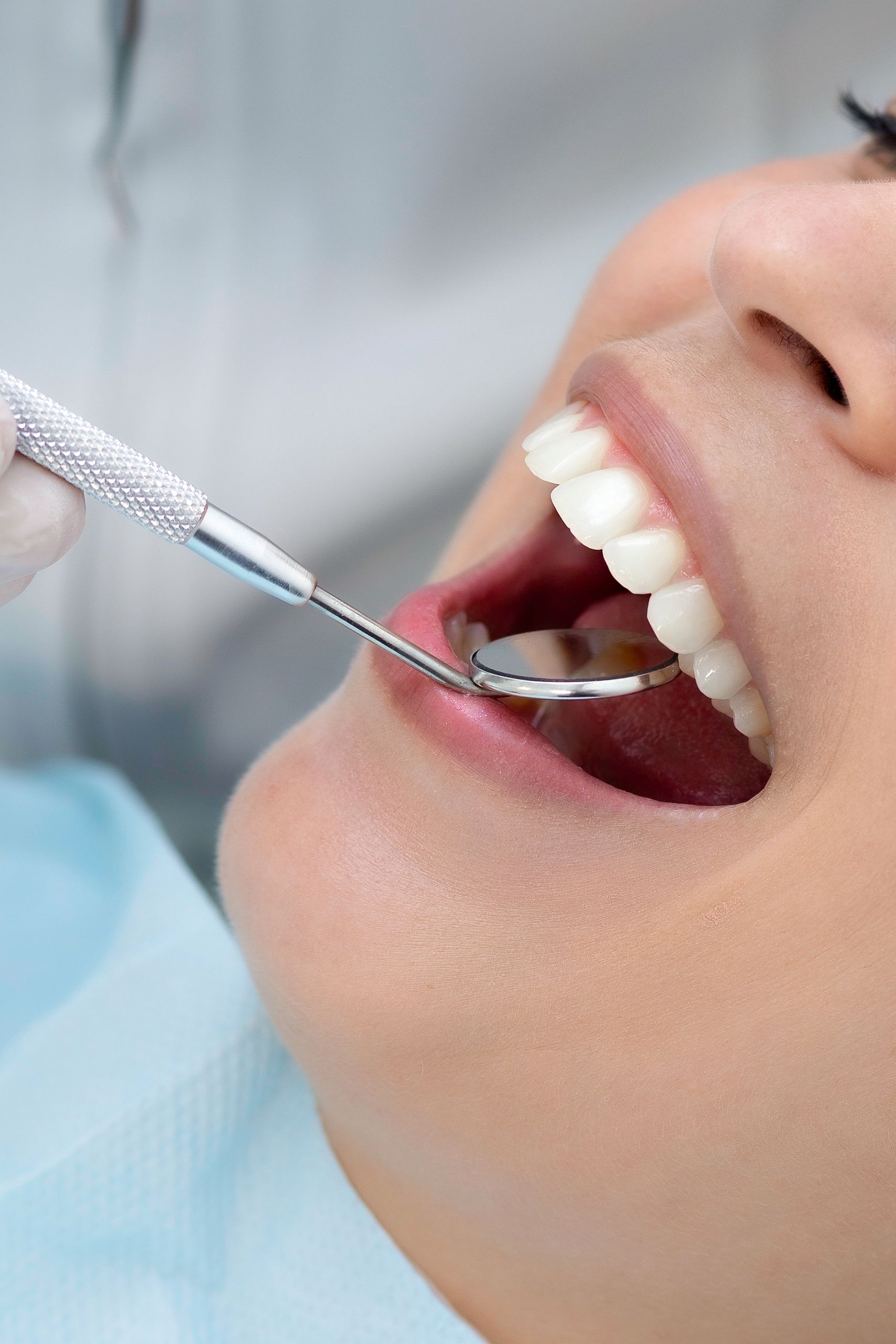
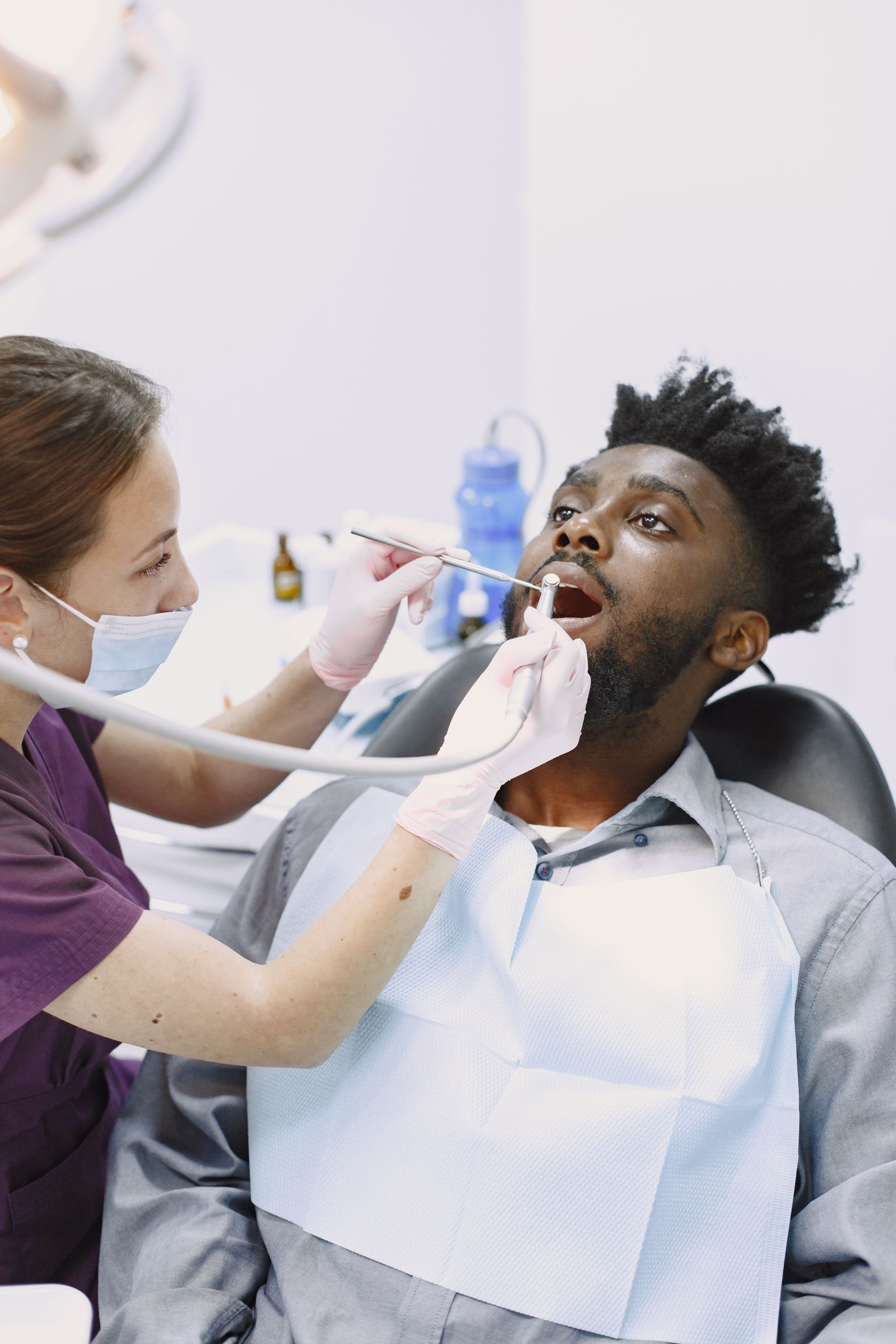
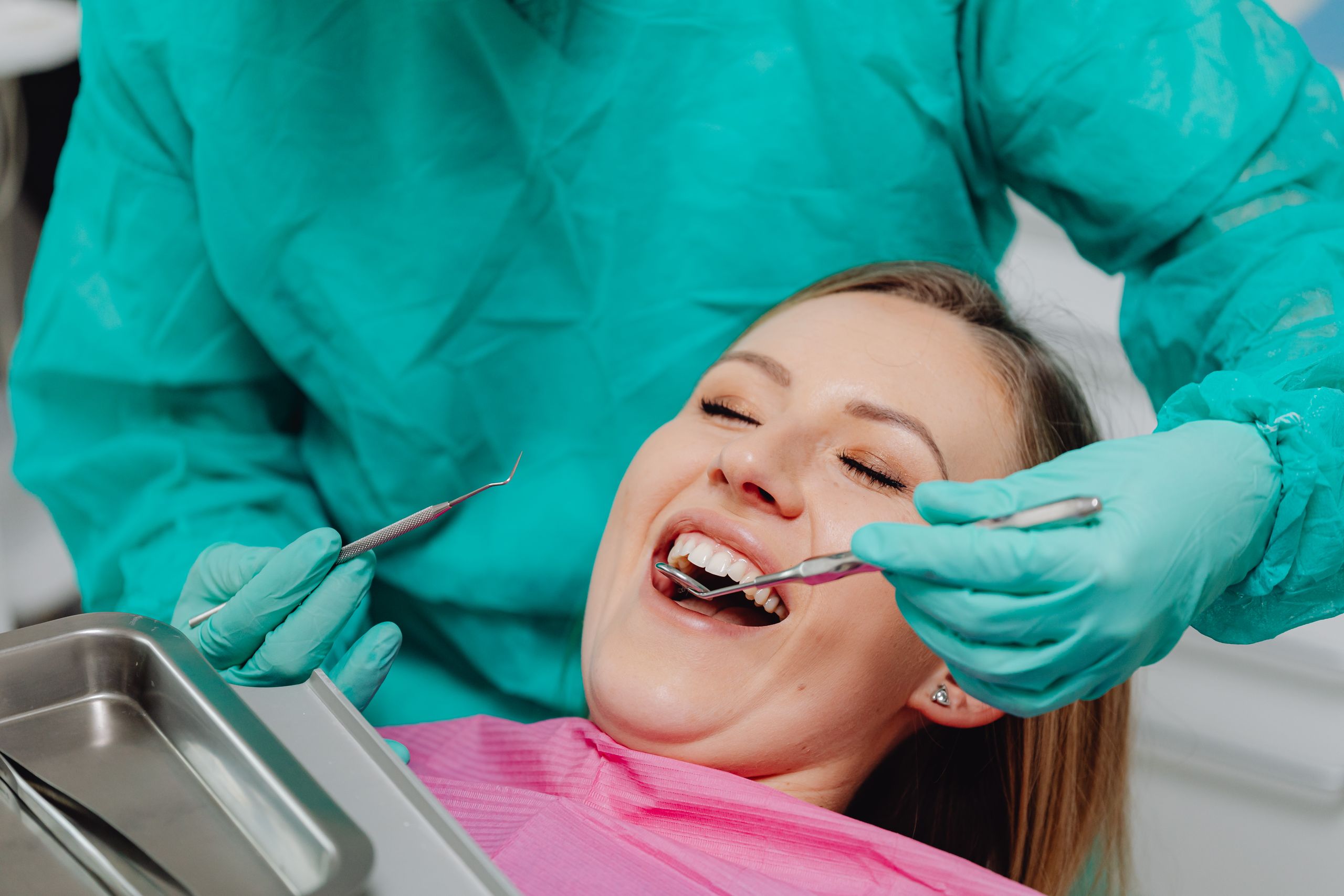
- The Physical Exam: Before cleaning begins, a registered dental hygienist uses a small mirror to inspect your teeth and gums for obvious signs of severe inflammation, deep cavities, or other immediate concerns.
- Removing Plaque and Tartar (Scaling): Using a small, hooked instrument called a scaler (or an ultrasonic device that uses vibrations and water), the hygienist meticulously scrapes away hardened tartar from your enamel and just below your gumline. You will hear a scraping sound, which is completely normal.
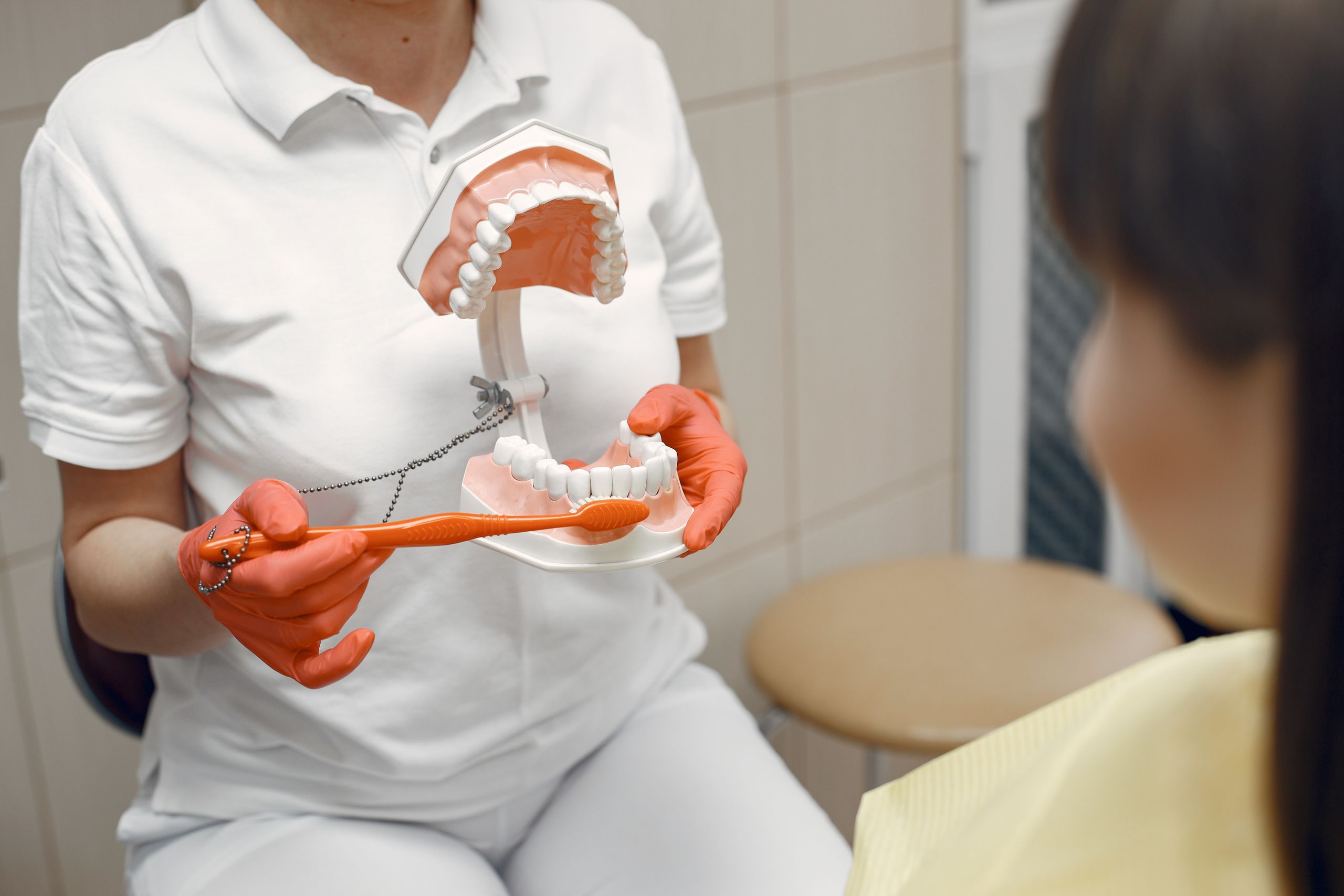
- Gritty Toothpaste Polishing: Once your teeth are free of tartar, the hygienist uses a high-powered electric brush with a gritty, specialized paste (prophy paste). This deep-cleans your enamel, whisks away stubborn surface stains, and leaves your teeth feeling smooth.
- Expert Flossing: The hygienist performs a deep, thorough flossing session, reaching deep between your teeth to clear out any leftover polishing paste, plaque, or debris.
- The Rinse: You will rinse out your mouth with water or a refreshing liquid solution containing antibacterial agents to wash away any remaining particles.
- Desensitizing Treatments
- Fluoride or Hydroxyapatite Treatment: To protect your enamel against cavities for the coming months, the hygienist may apply a sticky fluoride varnish or HA paste to your teeth. You can eat and drink immediately after a modern varnish, though you should avoid hot or sticky foods.
How Often Should You Get your teeth cleaned and checked?
Dental cleanings and exams are recommended every six months for most people.
More frequent visits for cleanings and check ups are recommended for some people who:
- Smoke , vape or use other tobacco products
- Have bone loss, loose teeth or gum recession
- Are prone to plaque buildup
- Have low amounts of saliva and dry mouth
- Have fixed or removable oral appliances such as braces, invisalign or dentures
- Have numerous fillings and bridges or implants in their mouth
- Have certain medical conditions affecting oral health
Your dentist will recommend a schedule based on your specific need.
Frequently Asked Questions
Here are some quick answers related to dental exams and cleanings.
Book Your Appointment Today!
Whether you need a routine cleaning, emergency dental treatment, Invisalign consultation, or family dental care, our team is here to help.
We look forward to welcoming you to Lake Vista Dental.