Teeth Whitening
Professional whitening that’s safer, faster and longer-lasting than over-the-counter kits.
A brighter smile in as little as one visit
Teeth whitening is a cosmetic dental treatment that uses peroxide-based bleaching gels to lift deep stains and lighten the natural color of your tooth enamel. It is one of the most popular cosmetic dental procedures because it can quickly reverse years of discolouration caused by food, drinks, aging, and lifestyle habits.
Teeth become discoloured due to changes in the structure of your enamel or the underlying dentin, which are typically divided into two main types: surface stains (extrinsic discolouration) and internal shade changes (intrinsic discolouration).
Looking for a trusted and experienced dentist in the greater Saskatoon area?
See the wide range of services we offer on our main page.
How do teeth become discolored?
Extrinsic Discolouration (Surface Stains)
- Dietary Pigments: Regular consumption of deeply pigmented foods and beverages—such as coffee, black tea, red wine, dark sodas, berries, and soy sauce—leaves dark residue on the enamel.
- Tobacco Use: Nicotine and tar from smoking, vaping, or chewing tobacco rapidly create stubborn, dark yellow or brown stains that bind tightly to the tooth surfaces.
- Poor Oral Hygiene: Skipping daily brushing and flossing allows plaque (a sticky bacterial film) to build up. If left untreated, plaque hardens into yellow or brown tartar, which attracts further staining.
Intrinsic Discolouration (Internal Stains)
These stains develop deep within the inner structure of the tooth (the dentin). Because these changes occur beneath the surface, they cannot be brushed away or removed with standard cleaning pastes.
- Natural Aging Process: As you grow older, the outer enamel layer naturally wears down and thins. This reveals more of the underlying dentin layer, which is naturally yellow or grayish-brown.
- Dental Trauma: A physical blow to a tooth from an accident or sports injury can damage its internal blood vessels and nerves. As the internal pulp tissue dies, the tooth can turn a distinct dark gray, brown, or black color.
- Medications: Exposure to certain antibiotics, such as tetracycline or doxycycline, while teeth are still developing under the gums (before age 8) can cause permanent, dark gray or brown horizontal bands across the enamel.
- Excessive Fluoride (Fluorosis): Consuming too much fluoride during early childhood development—often from swallowing fluoride toothpaste or drinking heavily fluoridated well water—can cause chalky white streaks or brown spots to form on the permanent teeth.
How does professional tooth whitening work?
The active ingredient in professional whitening gels is usually hydrogen peroxide or carbamide peroxide.
- Deep Penetration: When applied to the teeth, the peroxide penetrates the porous outer enamel layer.
- Breaking Down Stains: It targets and breaks apart the carbon bonds that form dark stain molecules.
- Brighter Reflection: Once these chemical bonds are broken, the molecules no longer reflect stain colors, revealing a much whiter and brighter tooth surface.
Professional vs. Over-the-Counter Options
In-Office Professional Whitening (Fastest Results)
- The Process: Done entirely in the dental chair, the dentist applies a highly concentrated bleaching gel directly to your teeth. A specialized UV or LED light is often used to accelerate the chemical reaction.
- The Result: Your teeth can become 3 to 8 shades brighter in a single 60-to-90-minute appointment.
- Best For: Anyone needing immediate results for an upcoming event or someone looking for professional monitoring to minimize tooth sensitivity.
Professional Take-Home Trays (Best Long-Term Balance)
- The Process: Your dentist takes a 3D scan or physical impression of your teeth to create custom-fitted plastic trays. You fill these trays with a professional-grade whitening gel at home and wear them for 30 to 60 minutes a day for roughly two weeks.
- The Result: Achieves the same brilliant, deep results as in-office whitening, but spreads the lifting process out gradually to significantly reduce sudden nerve sensitivity.
Over-the-Counter Products (Most Economical)
- The Process: Includes store-bought whitening strips, paint-on gels, or generic-fit trays.
- The Result: These use a much weaker concentration of bleach to ensure they are safe for unsupervised use. They work well for minor surface stains but cannot lift deep, intrinsic discolouration, and generic trays can cause gum irritation if the gel leaks out.
Important Considerations and Limitations
- Restorations do not whiten: Whitening gels only react with natural tooth enamel. If you have tooth-colored fillings, crowns, dental bridges, or porcelain veneers on your front teeth, they will stay their original shade, potentially creating an uneven look against your newly brightened natural teeth.
- Temporary Sensitivity: The bleaching process temporarily opens up microscopic pores in your enamel, which can expose underlying nerve pathways. This can cause brief flashes of sharp sensitivity to hot or cold items, which typically disappears completely within 24 to 48 hours.
- Not all stains can be bleached: Yellow and brown stains from coffee, tea, and smoking lift incredibly well. However, grayish stains caused by certain childhood antibiotics (tetracycline) or internal tooth trauma often cannot be bleached out and may require cosmetic veneers instead.
How long does teeth whitening last?
On average, the results of a professional teeth whitening treatment last between 1 to 3 years, though your results can start to fade in as little as 6 months if you frequently consume deeply pigmented foods or tobacco products. Because whitening is a reversible cosmetic treatment, your enamel will naturally begin to re-absorb daily pigments over time.
How to maintain your results?
Your daily food and beverage choices are the single most significant factor in how long your smile stays bright.
- The Staining Culprits: Frequently drinking coffee, black tea, red wine, or dark sodas, and eating heavily pigmented foods like berries, curry, or tomato sauce will cause stains to reappear much faster.
- The “White Diet” Rule: Following a diet of light-colored foods (like chicken, fish, rice, and water) for the first 48 hours immediately after your whitening treatment is critical, as your enamel pores are open and highly vulnerable to instant staining during this brief window.
- Tobacco and Vaping Use: Nicotine and tar are highly aggressive staining agents. If you smoke cigarettes, use chewing tobacco, or vape e-liquids containing artificial colorings, your whitening results will fade significantly faster, often requiring a touch-up within 3 to 6 months.
For optimal results, schedule your professional cleaning and exam every six months.
Is teeth whitening safe?
Yes, teeth whitening is completely safe for your enamel and gums, provided you follow product instructions or undergo the treatment under the supervision of a dentist. Extensive clinical research confirms that the peroxide-based bleaching gels used in modern whitening treatments temporarily alter the chemical structure of stain molecules within the tooth without changing or damaging the actual physical structure of the enamel.
Myths vs. Realities of Whitening Safety
- Myth: It strips away your enamel.
- Reality: Professional whitening gels temporarily open microscopic pores in your teeth to lift stains, but they do not dissolve or erode the protective enamel layer. Your saliva naturally restores minerals to these pores within hours of completing treatment.
- Myth: The temporary sensitivity means permanent nerve damage.
- Reality: The common “zaps” or sensitivity to hot and cold liquids happen because the open pores temporarily expose the nerve pathways inside the tooth. This irritation is entirely temporary and typically vanishes completely within 24 to 48 hours.
- Myth: UV or LED whitening lights burn your teeth.
- Reality: The specialized blue lights used in dental offices are strictly calibrated to accelerate the chemical reaction of the gel. They do not emit harmful heat or radiation, though dentists use protective barriers to keep the light and gel from irritating your gums.
What are Potential Side Effects and How to Prevent Them?
While safe, misuse of whitening products can lead to minor, uncomfortable side effects:
- Chemical Gum Burns: If whitening gel leaks out of generic, ill-fitting store-bought trays, it can blanch or burn your sensitive gum tissue.
- Over-Whitening (Bleachorexia): Overusing over-the-counter whitening strips or whitening toothpastes for months on end can eventually prematurely wear down enamel, giving your teeth a translucent, grayish appearance.
Who Should Avoid Teeth Whitening?
To guarantee your safety, you should delay or avoid teeth whitening if you have:
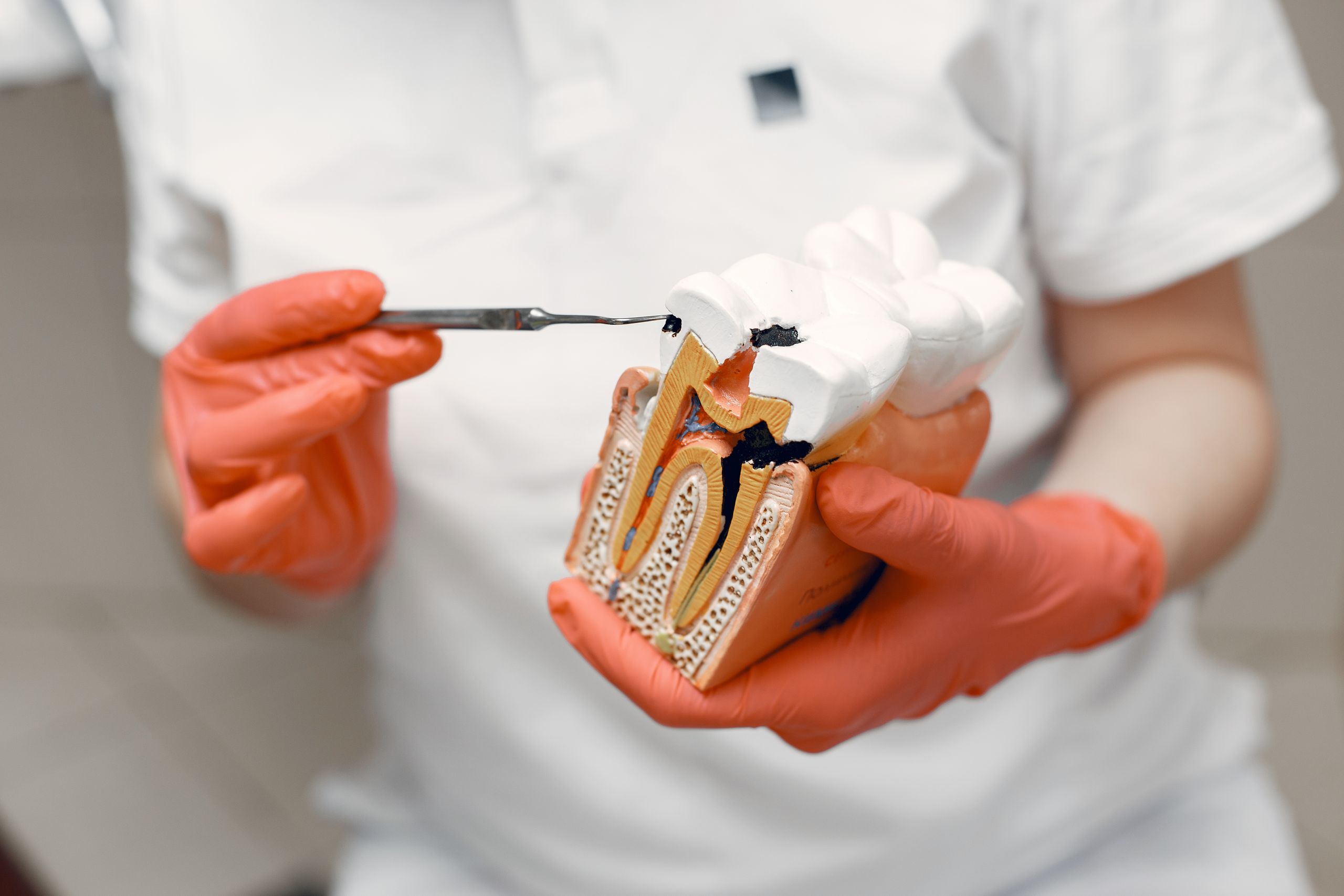
- Untreated Cavities: The bleaching gel can leak directly through a cavity into the internal living nerve chamber of the tooth, causing severe, excruciating pain.
- Severe Gum Recession: Whitening gels are formulated strictly for enamel. If your roots are exposed due to gum disease, applying bleach to the exposed root dentin will cause intense sensitivity.
- Pregnancy or Nursing: While there is no definitive proof of harm, dental health organizations recommend postponing elective cosmetic whitening treatments as a standard safety precaution.
Frequently Asked Questions
Here are some quick answers related to partial and teeth whitening.

Book Your Appointment Today!
Whether you need a routine cleaning, emergency dental treatment, Invisalign consultation, or family dental care, our team is here to help.
We look forward to welcoming you to Lake Vista Dental.