Porcelain Veneers
Wafer-thin porcelain shells that redesign your smile’s colour, shape, and length.
Transform your smile with custom porcelain veneers
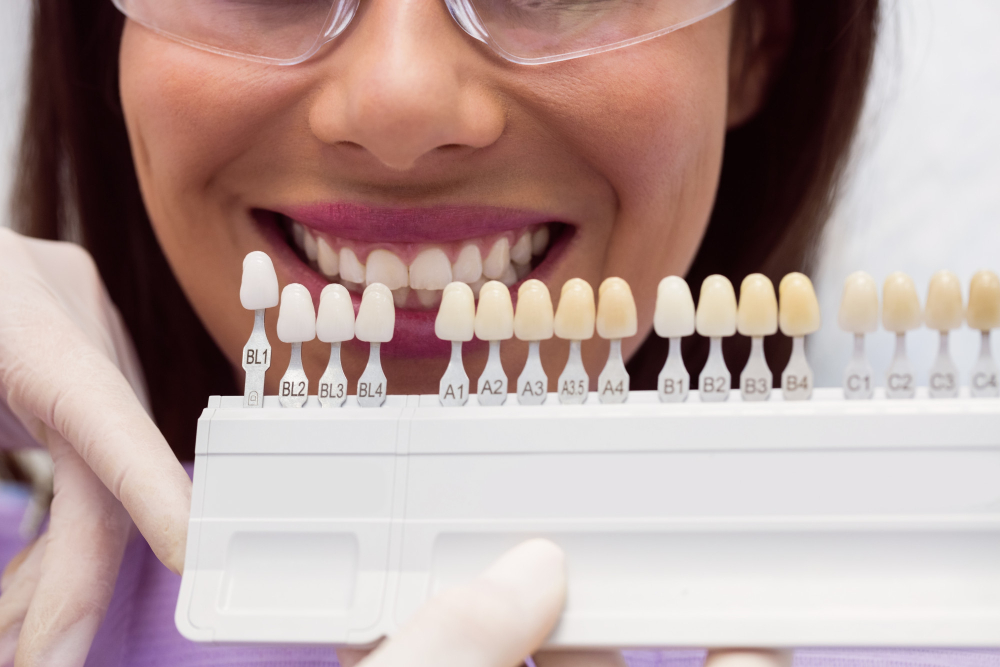
Porcelain veneers are wafer-thin, custom-made shells of medical-grade ceramic that are permanently bonded to the front surface of your teeth to instantly transform their appearance. They act like a protective, highly aesthetic jacket for your teeth, allowing you to completely redesign your smile’s color, shape, size, or length.
Looking for a trusted and experienced dentist in the greater Saskatoon area?
See the wide range of services we offer on our main page.
Common Cosmetic Flaws Veneers Fix
- Severe discolouration: Covers deep, permanent internal stains caused by root canals, tetracycline antibiotics, or excessive fluoride that standard teeth whitening treatments cannot fix.
- Chipped or broken teeth: Restores the natural structure, smooth edges, and length of teeth damaged by physical wear or minor accidents.
- Gaps and spacing issues: Closes small, unsightly spaces between front teeth quickly without the need for long-term orthodontic treatments.
- Misshapen or misaligned teeth: Straightens out mild crowding, smooths out irregular craters, and corrects teeth that are abnormally small or pointed (peg laterals).
What are advantages of Porcelain veneers?
- Natural aesthetics: Porcelain perfectly mimics the light-reflecting qualities of natural tooth enamel, giving your smile a realistic, translucent appearance.
- Extreme stain resistance: Unlike natural enamel or composite resin bonding, porcelain is highly glassy and non-porous, meaning it completely resists stains from dark liquids like coffee, tea, red wine, and tobacco.
- Durability: Porcelain veneers are highly durable and routinely last between 10 to 15 years or longer when cared for properly.
- Conservative prep: They require significantly less enamel removal than a full dental crown, allowing you to preserve more of your natural tooth structure underneath.
What are treatment considerations with Porcelain Veneers?
- The process is irreversible: To ensure the veneer sits completely flat and does not look bulky, your dentist must permanently shave off a micro-layer of enamel (about 0.5 mm) from the front of your teeth. Once this enamel is gone, those teeth will always require a veneer or a crown to stay protected.
- They can chip under heavy pressure: While strong, porcelain can crack if subjected to sudden, intense forces. If you have a habit of clenching or grinding your teeth at night, you must wear a custom nightguard to protect your investment.
- Strictly cosmetic investment: Because veneers are an elective cosmetic enhancement, dental insurance providers almost never cover the cost of the procedure.
Step-by-Step Porcelain Veneer Timeline
Getting porcelain veneers is a highly collaborative cosmetic process that typically requires two to three office appointments over a span of two to three weeks.
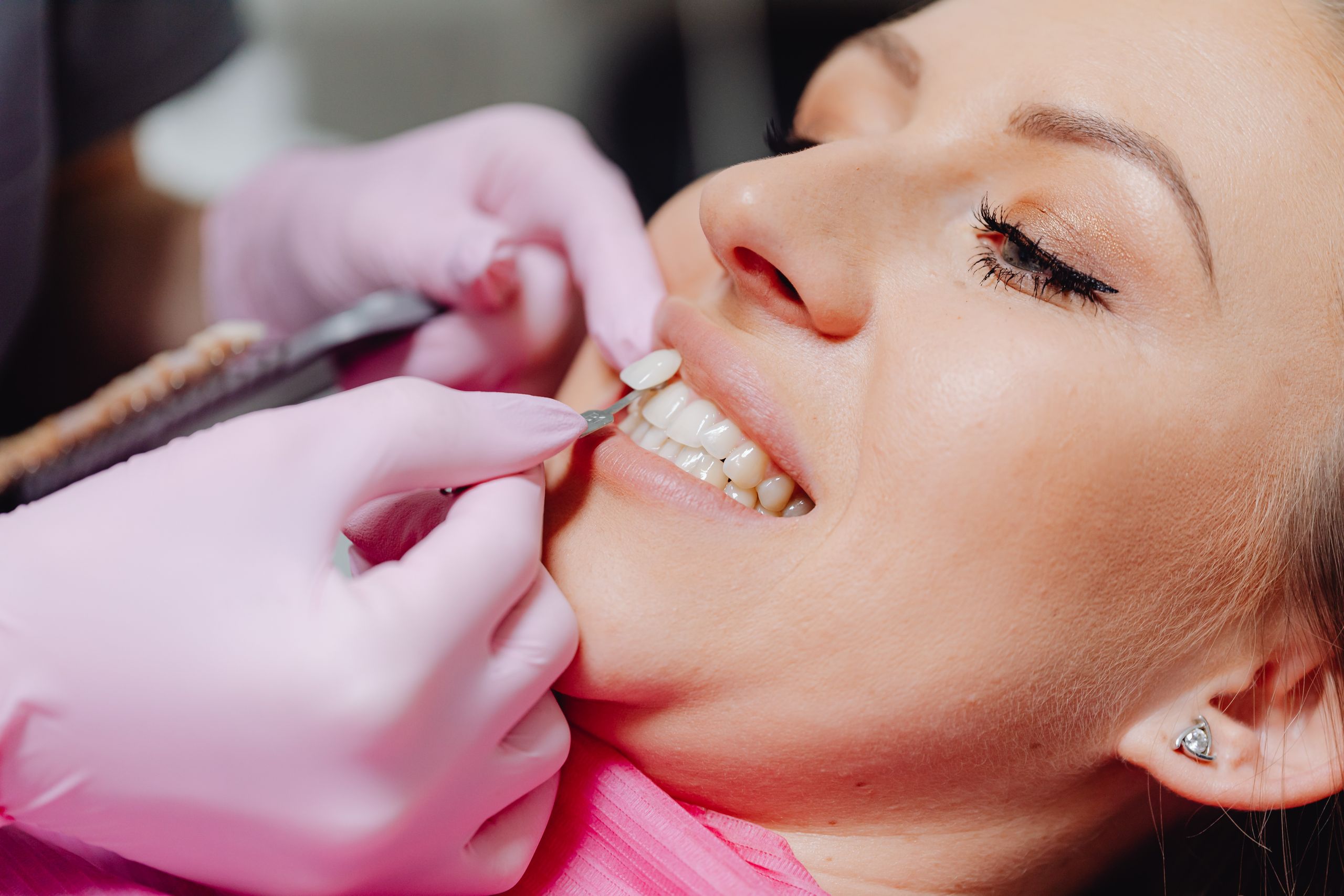
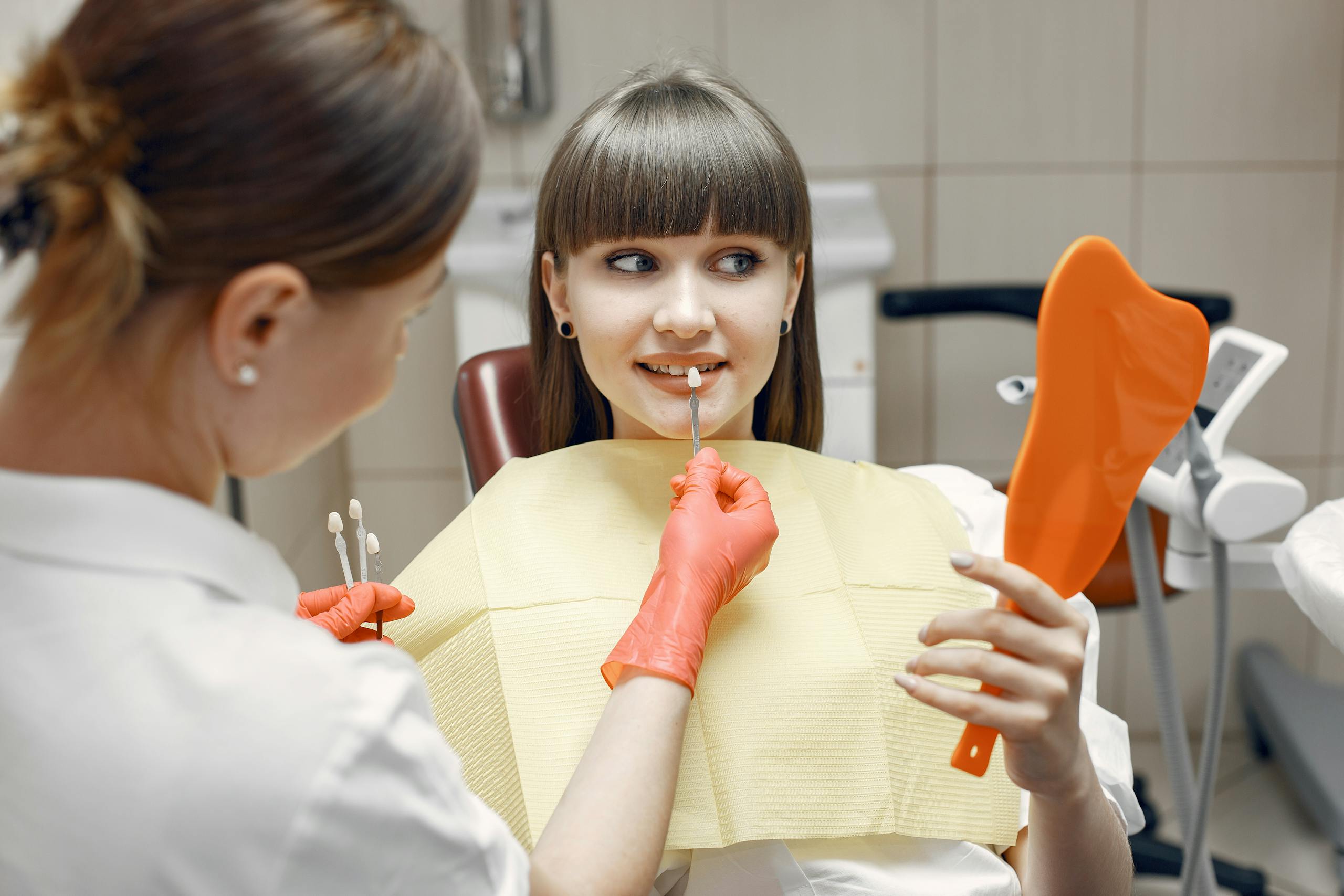
- Smile Design and Mock-up: You sit down with your dentist to discuss your ideal smile goals regarding shape, length, and shade. The dentist often takes digital impressions or photos to create a temporary 3D plastic mock-up. They place this directly over your teeth so you can preview and approve your new look before any physical changes are made.
- Tooth Preparation: Under a local anesthetic, the dentist shaves away a micro-layer of enamel (roughly 0.5 millimetres) from the front and biting edges of the teeth. This creates a flat base and ensures the veneers fit flush with your gumline without looking bulky.
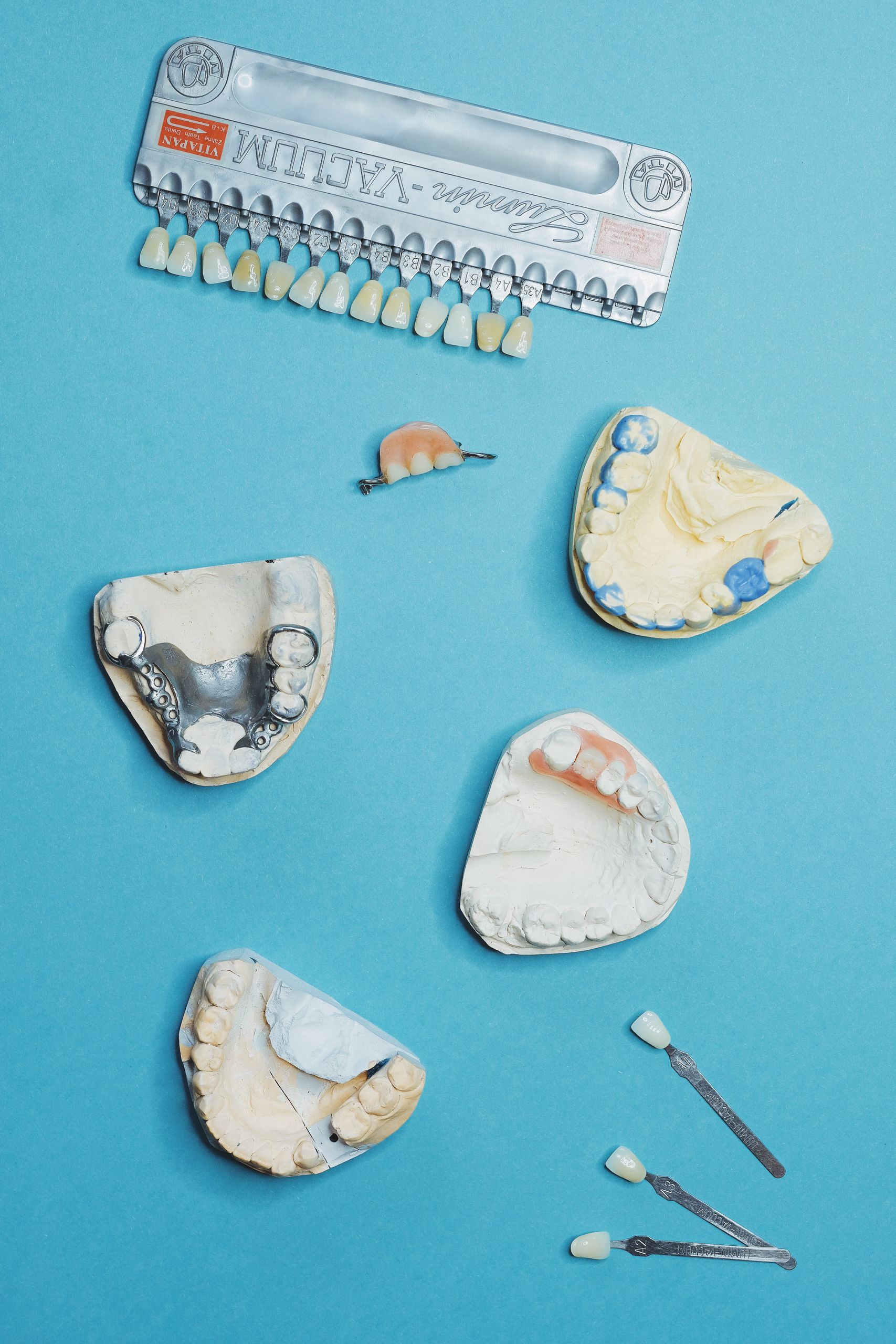
- Final Impressions: The clinical team takes a precise digital 3D scan or a physical mold of your prepared teeth. This data is sent to a specialized dental laboratory, where a master ceramist custom-crafts each individual veneer over the next two weeks.
- Temporary Veneers: Because your natural enamel has been reduced, your dentist bonds a set of temporary acrylic veneers to your teeth. These keep your smile looking great and prevent your teeth from feeling sensitive to hot and cold while you wait for the permanent porcelain pieces.
- Final Bonding: At your next visit, the dentist removes the temporary veneers and cleans your teeth. They place the final porcelain veneers on your teeth using water or temporary gel to double-check the fit, contour, and color accuracy against your smile line. Once you approve the look, the teeth are etched with a mild acid solution to roughen the surface, a strong dental adhesive is applied, and a specialized curing light hardens the cement in seconds.
Are Porcelain Veneers Durable?
Feature | Porcelain Veneers | Composite Veneers |
Durability | High | Moderate |
Stain Resistance | Excellent | Lower |
Appearance | Very natural | Good |
Lifespan | Longer-lasting | Shorter lifespan |
How to take care of porcelain veneers?
Caring for porcelain veneers is very similar to maintaining your natural teeth, but it requires specific adjustments to protect the dental cement and prevent the ceramic shells from chipping. With excellent home maintenance, your veneers can easily last 10 to 15 years or longer.
Daily Hygiene Adjustments
- Use a non-abrasive toothpaste: Avoid whitening toothpastes or formulas containing baking soda and charcoal. These gritty abrasives can scratch the polished surface of the porcelain over time, causing it to lose its realistic sheen.
- Switch to a soft-bristled toothbrush: Use a soft or extra-soft electric or manual toothbrush. Hard bristles can irritate your gums and lead to gum recession, which exposes the vulnerable edge where the veneer meets the natural tooth root.
- Floss thoroughly every day: Porcelain cannot decay, but the natural tooth structure underneath it can. Floss daily to clear away plaque from the margins of the veneer to prevent cavities from forming behind the restoration.
Dietary Precautions
- Avoid biting hard objects: Never use your veneered teeth to bite down on hard candies, ice cubes, unpopped popcorn kernels, or raw carrots.
- Cut up your food: Instead of biting directly into apples, corn on the cob, or tough, crusty breads with your front teeth, cut these foods into smaller, bite-sized pieces and chew them with your back molars.
- Watch out for stains on adjacent teeth: While porcelain completely resists staining from coffee, tea, and red wine, your surrounding natural teeth do not. Keep up with routine brushing to ensure your natural teeth don’t darken and contrast against your bright veneers.
Lifestyle and Structural Protection
- Never use your teeth as tools: Do not use your teeth to rip open plastic packaging, bite your fingernails, chew on pens, or crack open nuts. This sudden, sharp leverage can instantly snap the porcelain away from your enamel.
- Wear a custom nightguard: If you clench your jaw or grind your teeth while sleeping, the intense pressure can easily fracture or loosen your veneers. Ask your dentist for a custom-fitted nightguard to shield your investment.
- Wear an athletic mouthguard: If you play contact sports (like hockey, soccer, or basketball), always wear a professional sports guard to protect your face from blunt trauma that could shatter the porcelain.
How to maintain your porcelain veneers?
- Visit our hygienist and dentist in Martensville every 6 months: Regular professional cleanings are vital. Your hygienist will use specialized, non-abrasive polishing pastes designed specifically for cosmetic restorations to keep them looking pristine.
Frequently Asked Questions
Here are some quick answers related to porcelain veneers.
Book Your Appointment Today!
Whether you need a routine cleaning, emergency dental treatment, Invisalign consultation, or family dental care, our team is here to help.
We look forward to welcoming you to Lake Vista Dental.