Oral Surgery
In-house oral surgery — wisdom teeth, bone grafting, biopsies, lesion removal and implants.
Gentle, in-house oral surgery
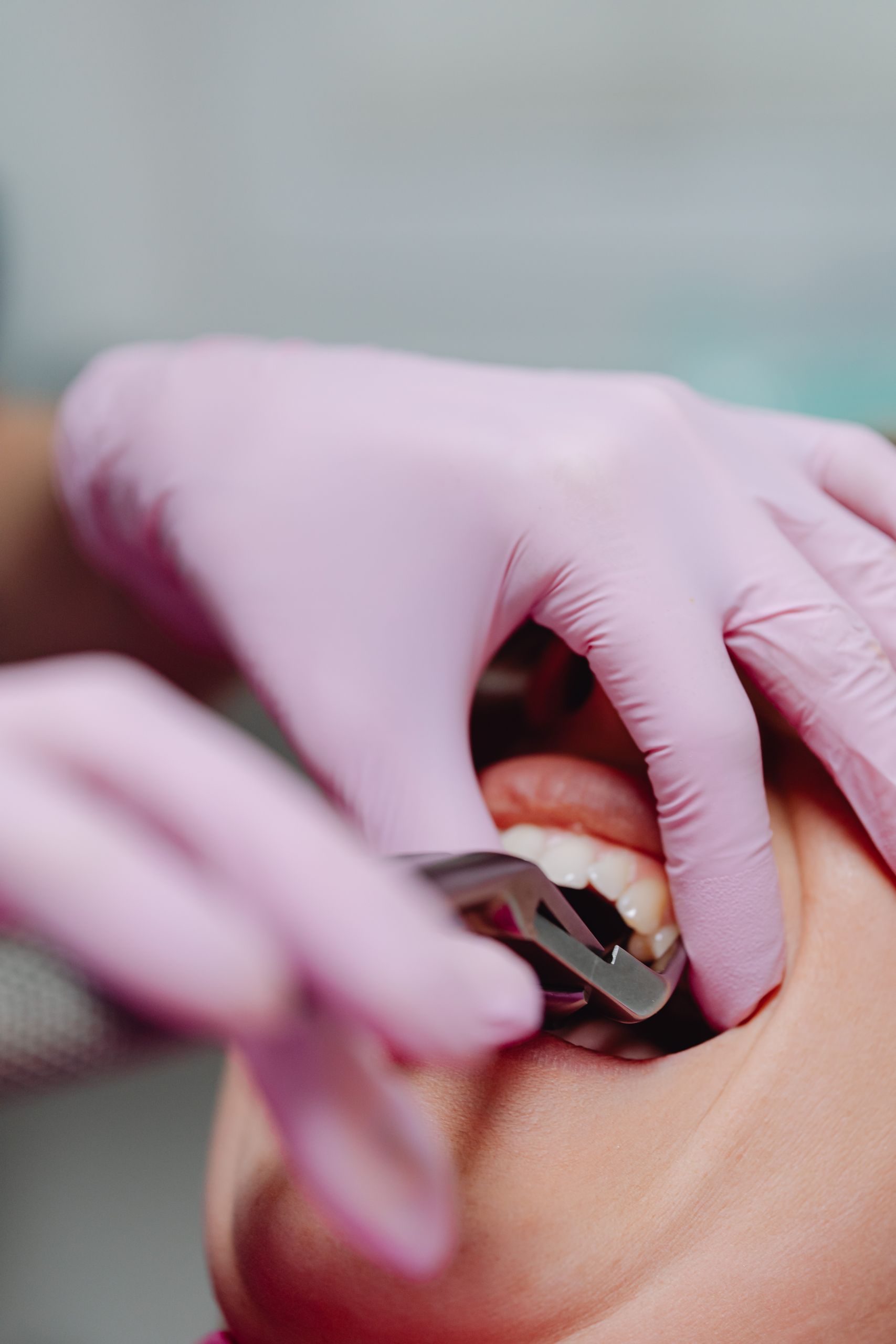
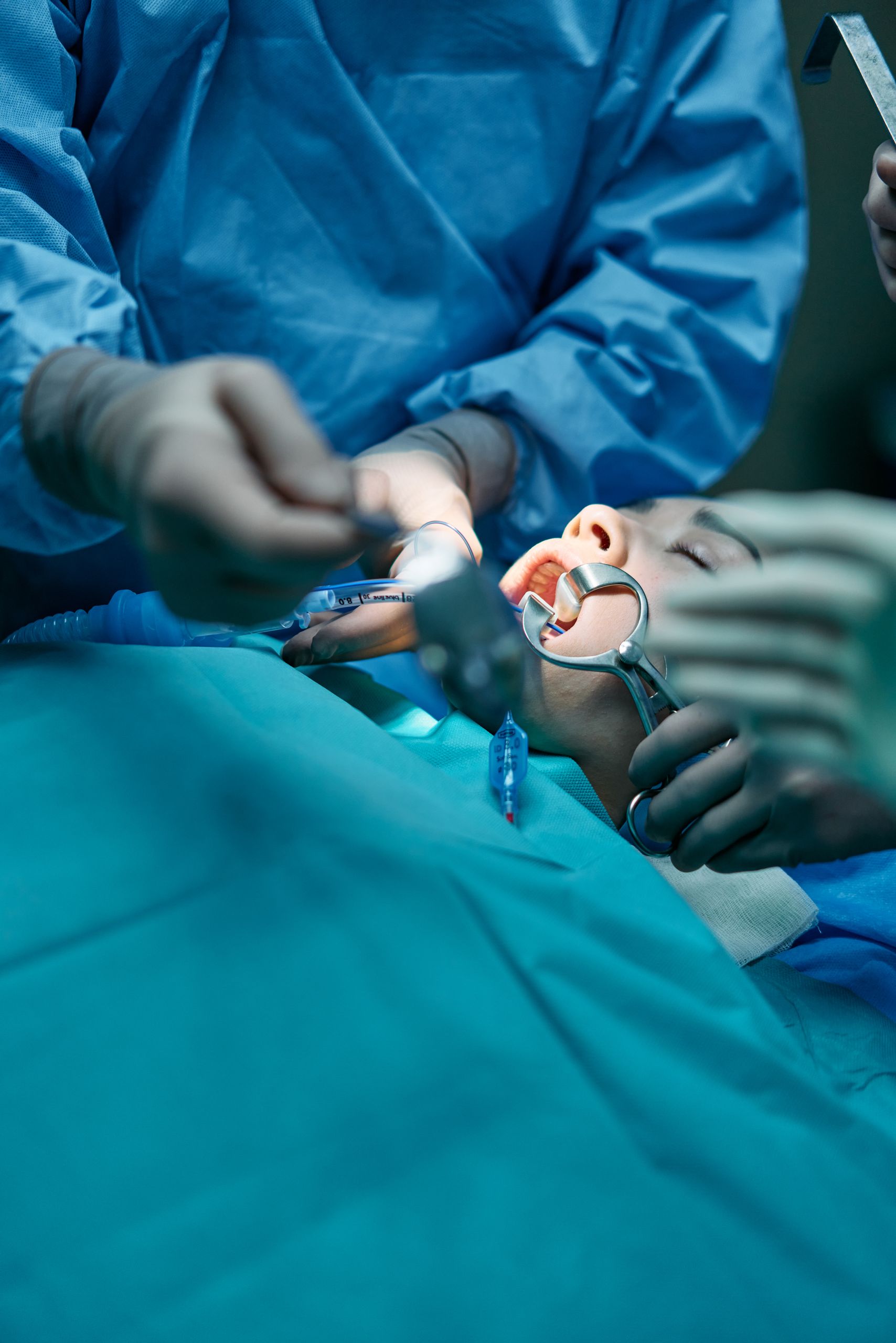
Oral surgery is a branch of dentistry focused on diagnosing and surgically treating injuries, diseases, and defects in your mouth, teeth, jaws, and facial structures.
In our office in Martensville we are able to manage a variety of procedures related to oral surgery including simple tooth removal, complicated tooth removal, impacted tooth removal, wisdom tooth removal, bone grafting, biopsies and lesion removal, and dental implants.
Our advanced imaging CBCT in our Martensville office allow is to assess and diagnose your treatment toa greater detail then a Panoramic Xray or an Intraoral Xray.
Common Oral Surgery Procedures
Procedure | Purpose | Benefit |
Tooth Extraction | Remove damaged or infected teeth | Relieves pain and prevents spread of infection |
Wisdom Teeth Removal | Remove impacted or problematic wisdom teeth | Prevents crowding and complications |
Dental Implants | Replace missing teeth | Restores function and appearance |
Bone Grafting | Restore jawbone density | Supports future implants |
TMJ Treatment | Address jaw joint issues | Reduces pain and improves movement |
Looking for a trusted and experienced dentist in the greater Saskatoon area?
See the wide range of services we offer on our main page.
Situations That Require Oral Surgery
- Impacted wisdom teeth: When third molars are trapped completely beneath the gum tissue or bone, causing painful pressure, infection, or damaging your neighboring teeth.
- Severe jawbone loss: When your jaw lacks the height or thickness required to hold a dental implant, necessitating a bone graft or a sinus lift to rebuild the bone structure.
- Complex tooth fractures: When a tooth snaps vertically or breaks off entirely below the gum line, making a standard non-surgical extraction impossible.
- Advanced periodontal disease: When deep bacterial pockets around your teeth cannot be cleared with routine cleanings, requiring pocket reduction surgery or tissue grafts to save your teeth.
- Unexplained oral lumps or patches: When unusual changes in your cheeks, gums, or tongue require a biopsy to safely screen for oral cancer or benign cysts.
How to prepare for oral surgery
Medical and Dietary Instructions
- Review your medications: Inform your denitst of all prescriptions, over-the-counter drugs, and supplements you take. They may ask you to temporarily stop blood thinners, or they may prescribe pre-surgery antibiotics.
- Avoid alcohol and smoking: Do not drink alcohol for at least 24 hours before surgery. Stop smoking or vaping for at least 24 to 48 hours prior, as nicotine severely restricts blood flow and delays bone and tissue healing.
- Arrange a designated driver: You cannot drive yourself home after receiving any form of oral sedation. A responsible adult must accompany you to the appointment, stay during the procedure, and drive you home.
Practical and Home Preparations
- Stock up on soft foods: Buy nutrient-dense, soft foods ahead of time. Excellent choices include yogurt, applesauce, smoothies, cottage cheese, mashed potatoes, and cooled broths. Do not use straws, as the suction can dislodge healing blood clots.
- Set up a recovery zone: Prep your bed or couch with extra pillows. You will need to keep your head elevated above your heart for the first few days to minimize throbbing and swelling. Keep entertainment, chargers, and a trash bin within arm’s reach.
- Purchase ice packs: Have cold compresses or bags of frozen peas ready in the freezer. Applying ice to your face for 15 minutes on and 15 minutes off during the first 24 hours is critical for controlling swelling.
- Dress comfortably: Wear loose-fitting, comfortable clothing. Choose a short-sleeved shirt or top with sleeves that easily roll up so the surgical team can comfortably attach IV lines and blood pressure cuffs. Do not wear jewelry, makeup, or contact lenses.
- Clear Your Schedule: Plan to take at least 24 to 48 hours off from work, school, and heavy household chores. Avoid any strenuous exercise, heavy lifting, or bending over for the first few days, as increasing your heart rate can cause the surgical wounds to reopen and bleed.
How to recover after oral surgery
Phase 1: The First 24 Hours (Setting the Foundation)
The primary goal during this phase is to control bleeding, minimize swelling, and protect the newly formed blood clots in your surgical sockets.
- Manage Bleeding: Keep firm, steady pressure on the gauze pads placed by your surgeon for 30 to 45 minutes. If bleeding persists, replace them with fresh gauze or a damp, caffeinated black tea bag (the tannic acid helps blood vessels constrict). Expect your saliva to look pink or blood-tinged; this is completely normal.
- Control Swelling: Swelling peaks around day 2 or 3. Apply an ice pack to the outside of your face for 15 minutes on, then 15 minutes off, for the first 24 hours.
- Keep Your Head Elevated: Prop yourself up with extra pillows on your bed or couch. Keeping your head elevated above your heart prevents blood from pooling in your jaw, which drastically reduces throbbing and swelling.
- Avoid Suction and Spitting: Do not use straws, smoke, vape, or spit forcefully. The suction created in your mouth can dislodge the vital blood clot, leading to a highly painful condition known as dry socket. If you need to clear your mouth, gently wipe it or swallow.
How to recover after oral surgery
Phase 2: Days 2 to 3 (Managing Peak Swelling)
This is when your body is working the hardest to repair tissue. You may feel stiff and notice the most swelling during this window.
- Switch to Warmth: After the first 24 hours, ice is no longer effective. Switch to a warm compress or a heating pad on your cheek to soothe sore muscles, relieve stiffness, and help the swelling subside.
- Gentle Saltwater Rinses: Do not use commercial, alcohol-based mouthwashes. Instead, mix 1/2 teaspoon of salt into a glass of warm water. Gently loop the water around your mouth and let it pool out into the sink. Do not spit. Do this 4 to 5 times a day, especially after eating, to keep the wounds clean.
- Maintain Nutrition: Stick strictly to soft, cool, or room-temperature foods. Excellent options include:
- Greek yogurt, pudding, and applesauce
- Smoothies (eaten with a spoon, no straws)
- Lukewarm broths, creamed soups, and mashed potatoes
- Scrambled eggs and avocado

How to recover after oral surgery
Phase 3: Days 4 to 7 (Returning to Normal)
You should notice your pain and swelling steadily declining each day.
- Gradual Diet Progression: As your jaw stiffness improves, you can slowly reintroduce semi-soft foods like pasta, rice, damp bread, and flaky fish. Continue to avoid sharp, crunchy, or highly spicy foods until the gum tissue has completely closed over the surgical site.
- Resuming Activity: You can generally return to work or school after 2 to 3 days, but continue to avoid intense gym workouts, heavy lifting, or competitive sports for at least a week. Raising your heart rate too early can trigger secondary bleeding.
Frequently Asked Questions
Here are some quick answers related to oral surgery.
Book Your Appointment Today!
Whether you need a routine cleaning, emergency dental treatment, Invisalign consultation, or family dental care, our team is here to help.
We look forward to welcoming you to Lake Vista Dental.