
Root Canal Treatments
Modern, comfortable root canal therapy that saves your natural tooth.
Save your tooth with a gentle root canal
Modern root canals are nothing like their reputation. With advanced techniques and gentle anesthesia, most patients describe the experience as no worse than a standard deep filling.

Looking for a trusted and experienced dentist in the greater Saskatoon area?
See the wide range of services we offer on our main page.
What is a root canal treatment?
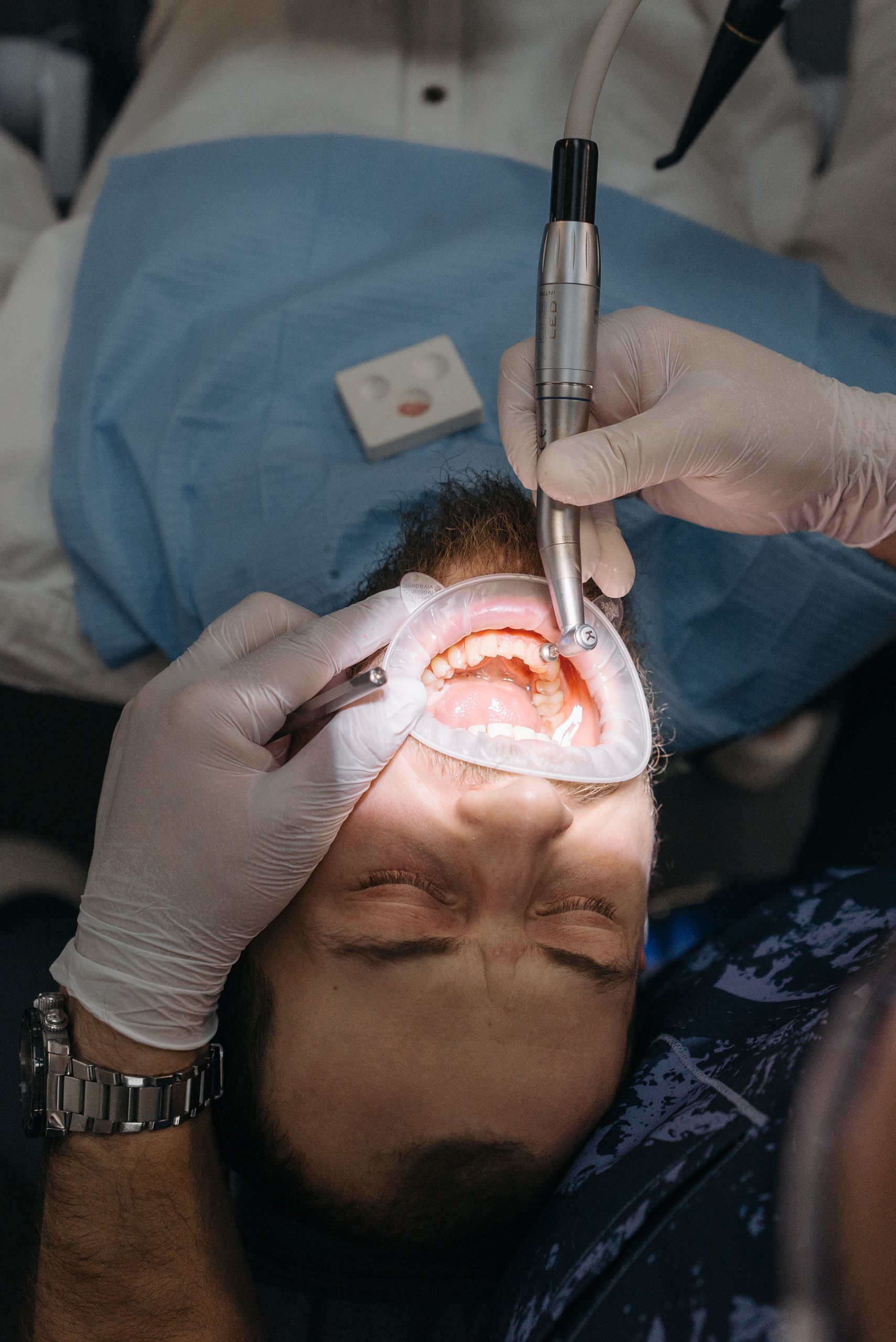
A root canal treatment (endodontic therapy) is a dental procedure used to save a badly decayed, infected, or severely fractured tooth by removing its damaged internal nerve tissue.
Instead of extracting the tooth, the dentist cleans out the infection, seals the inner chambers, and caps it with a crown to restore full function. Root canal treatment allows you to save your natural tooth.
What is the purpose of a root canal?
The True Purpose is Pain Relief
Despite a common myth that root canals are incredibly painful, the modern procedure actually relieves your pain rather than causing it. Thanks to local anesthetics and advanced dental techniques, undergoing a root canal feels very similar to getting a standard, deep filling.
If you are experiencing persistent tooth pain, sensitivity, or swelling, immediately phone our office in Martensville.
What are Signs You Might Need a Root Canal?
- Severe, unprovoked toothaches that throb continuously, especially when you lie down.
- Prolonged sensitivity to hot or cold temperatures that lingers long after the food or drink is gone.
- Pain when chewing or applying even light pressure to the specific tooth.
- A persistent pimple on the gums (fistula) that may drain pus, causing a bitter taste.
- Swelling or tenderness in the gums or surrounding facial tissue.
- Darkening or discolouration of the tooth, which indicates the internal nerve tissue has died.

What Happens Inside the Tooth with a root canal?
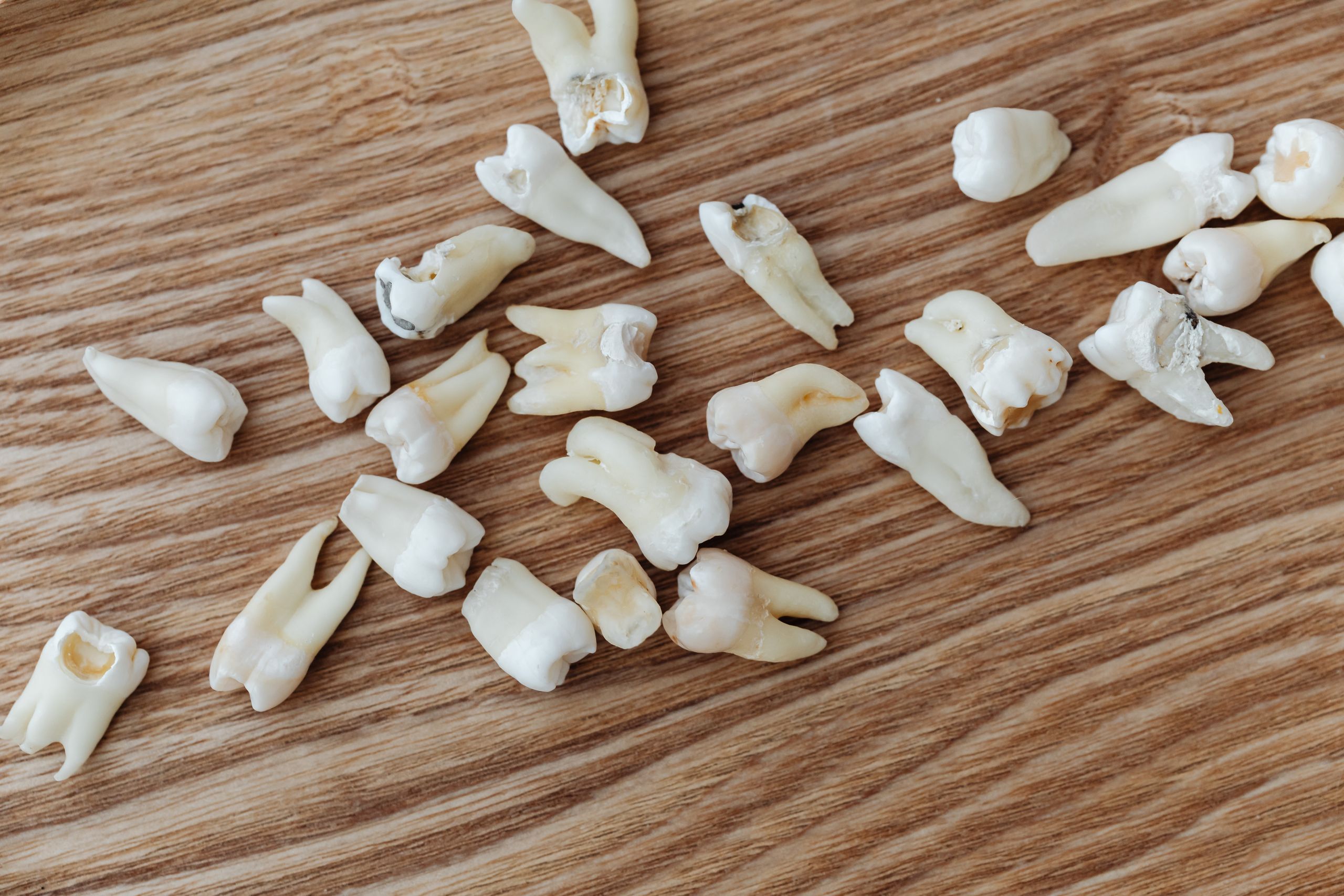
Every tooth contains a hollow center called the pulp chamber, which houses blood vessels, connective tissues, and nerves that extend down through the roots. When deep decay, repeated dental procedures, or a physical crack allows bacteria to enter this chamber, the pulp becomes inflamed and infected. Because the infection is trapped inside a hard enamel shell, pressure builds up, causing intense pain. If left untreated, the infection can travel past the roots and create a dangerous bone-destroying abscess. We encourage you to immediately phone our office in Martensville.
Our advanced imaging CBCT in our Martensville office allow is to assess and diagnose your treatment toa greater detail then a Panoramic Xray or an Intraoral Xray.
What is the difference between a Root canal vs dental extraction?
The main difference between a root canal and a tooth extraction is that a root canal saves your natural tooth, while an extraction removes it completely. Dentists always prefer to perform a root canal whenever possible because keeping your natural tooth preserves your bite alignment and bone structure.
Feature | Root Canal Treatment | Tooth Extraction |
Primary Goal | Saves and repairs the natural tooth. | Removes the problem tooth entirely. |
Procedure Type | Restorative (cleans out internal infection). | Surgical (pulls tooth from the socket). |
Pain Level | Feels like a deep filling; relieves toothache. | Minimal during surgery; soreness during healing. |
Recovery Time | 1 to 2 days of mild sensitivity. | 3 to 7 days for the gum socket to close. |
Follow-Up Needs | Requires a dental crown for strength. | Requires an implant, bridge, or denture. |
Long-Term Cost | Lower overall (no replacement tooth needed). | Higher overall if replacing the missing space. |

Step-by-Step Root Canal Timeline
A standard root canal treatment is highly routine and typically takes one to two appointments, with each session lasting between 60 and 90 minutes.
- Numbing and isolation: Your dentist numbs the tooth and surrounding gums with a local anesthetic so you will not feel any pain. They then place a protective rubber sheet (dental dam) around the tooth to keep it dry, clean, and isolated from your saliva.
- Creating an access point: The dentist uses a precise dental drill to make a small opening in the chewing surface of a back molar or the backside of a front tooth. This exposes the infected pulp chamber inside.
- Cleaning out the infection: Using a series of tiny, flexible instruments called endodontic files, the dentist meticulously clears out the dead nerves, blood vessels, and bacteria from inside the pulp chamber and root canals.
- Disinfecting and shaping: The team flushes the empty chambers with specialized antibacterial solutions to kill any microscopic germs. They then shape the clean root canals to ensure they can be filled smoothly.
- Filling and sealing: The dentist fills the hollow canals with a biocompatible, rubber-like material called gutta-percha. They seal it in place with adhesive cement to completely block future bacteria from entering.
- Placing a temporary filling: The access hole in your enamel is closed with a temporary filling material. This shields the internal structure until your final, permanent restoration can be placed.
- Rebuilding the Tooth: The final step for a successful root canal treatment – Dental crown
Because a root canal removes the internal blood supply, the remaining enamel naturally becomes brittle and vulnerable to fracturing under bite pressure. To restore its structural integrity, you will return to the clinic a couple of weeks later to have a permanent dental crown placed over the tooth.
Frequently Asked Questions
Here are some quick answers related to root canal treatments.

Book Your Appointment Today!
Whether you need a routine cleaning, emergency dental treatment, Invisalign consultation, or family dental care, our team is here to help.
We look forward to welcoming you to Lake Vista Dental.